
Dudjom Tersar
The “New Treasures of Dudjom”: teachings and practices revealed by Dudjom Lingpa and Dudjom Rinpoche, and transmitted through successive generations of masters.
LINEAGE & PRACTICE
Explore the Nyingma tradition, the teachings and practices we share, and how you can begin with Namkha Rinpoche and the sangha.
THE BUDDHIST PATH
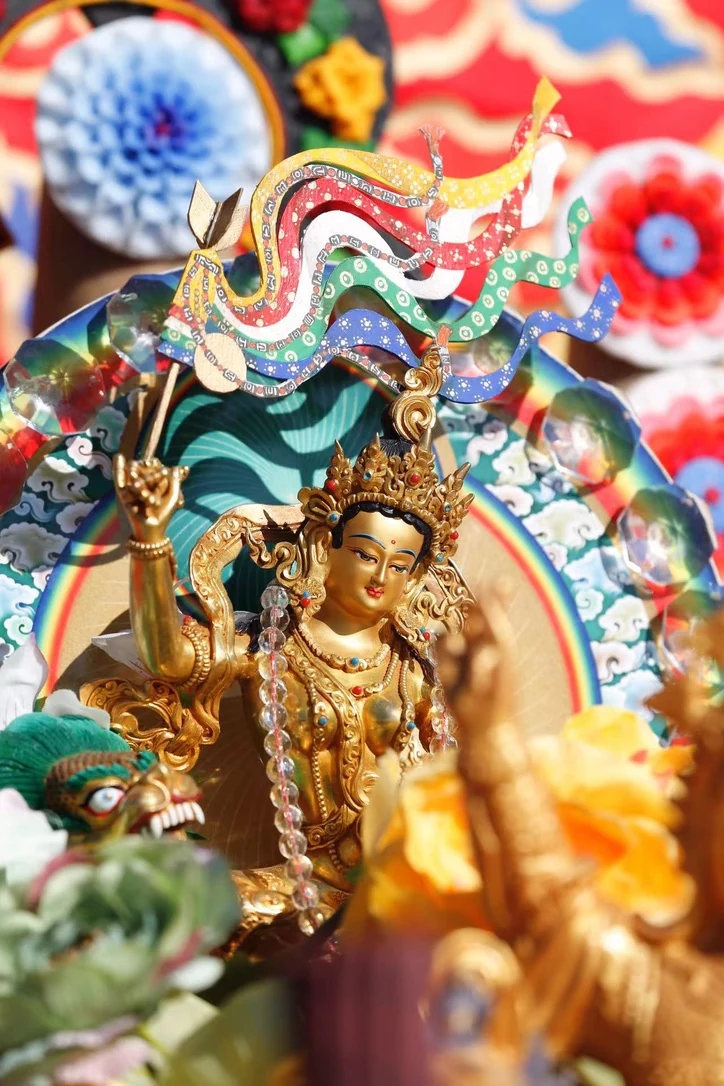
The Buddhist path invites us to investigate our own minds, discover the qualities beneath our habitual confusion, and develop greater wisdom and compassion—for ourselves and for others.
Its direction is awakening: the full discovery of the mind’s wisdom and compassionate capacity. The practice begins with the experiences we are already having—in our relationships, our work, and the moments when life challenges us.
Within the Rigdzin Community, we follow this path through the teachings and practices of the Nyingma tradition, under the guidance of Namkha Rinpoche.
OUR LINEAGE
Our tradition traces its origins to Guru Rinpoche, also known as Padmasambhava, who helped establish Buddhism in Tibet in the eighth century.
We belong to the Nyingma school, with a particular emphasis on Vajrayana and Dzogchen. These teachings offer a rich variety of methods for transforming how we experience ourselves and the world, and recognising the nature of mind.
Our practice draws principally on two traditions:
The “New Treasures of Dudjom”: teachings and practices revealed by Dudjom Lingpa and Dudjom Rinpoche, and transmitted through successive generations of masters.
The “Heart Essence of the Vast Expanse”: a cycle of teachings and practices revealed by Jigme Lingpa, extending from the foundations of the Buddhist path to the profound instructions of Dzogchen.
Both belong to the terma, or spiritual treasure, tradition. According to this tradition, Guru Rinpoche and his disciples concealed teachings to be revealed by later masters when the circumstances were right.
These teachings continue through people who receive them, practise them, and pass them on. Learning within a lineage means becoming part of that continuity.
LEARNING & PERSONAL PRACTICE
You receive instructions from a teacher, put them into practice, and return with your questions and experience.
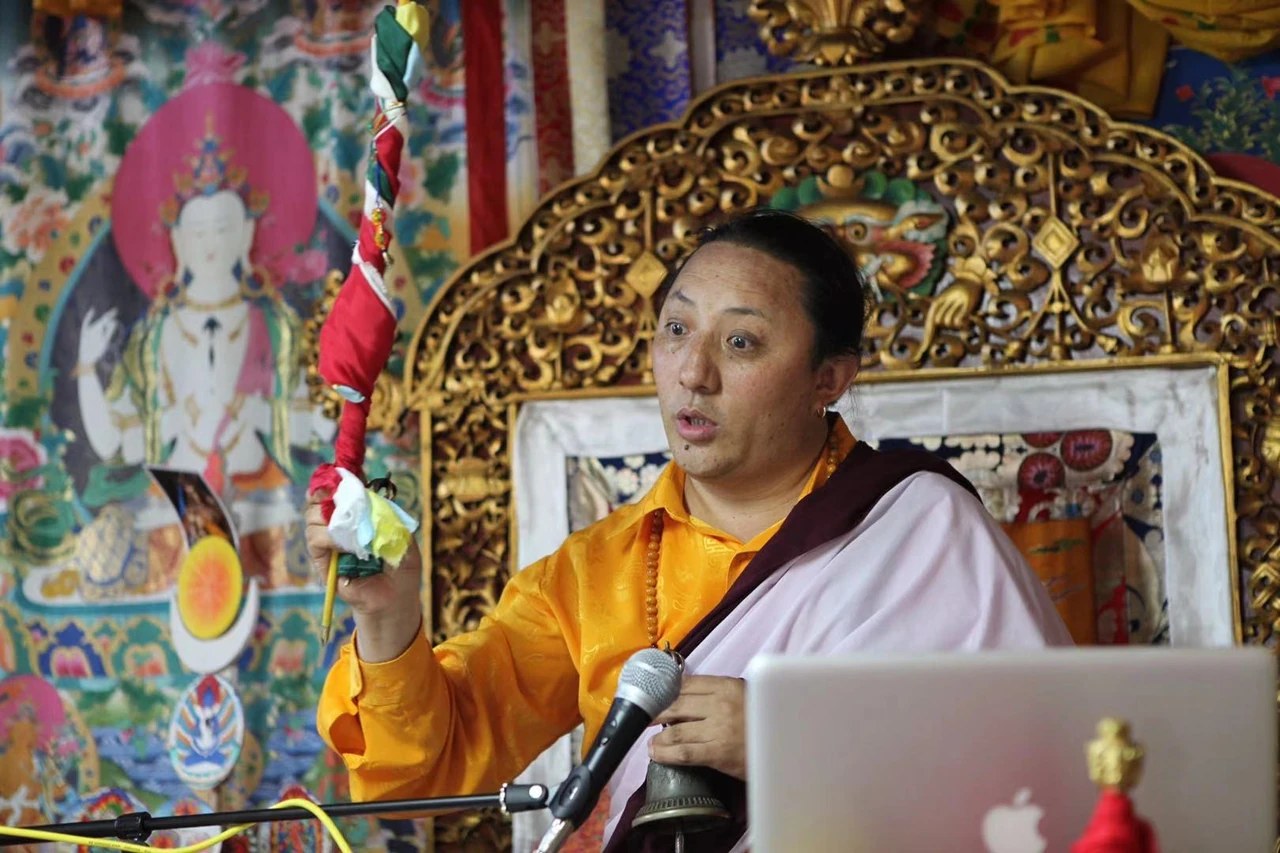
Namkha Rinpoche teaches across the different stages of the Vajrayana path: from ngöndro, the preliminary practices, through generation and completion stage practices, to the teachings of Dzogchen.
There is no single timetable that everyone follows. Students engage according to their circumstances, motivation and commitment, while giving the foundations the attention they need.
As Rinpoche gets to know his students, he can offer guidance suited to where they are on the path: specific practice instructions, clarification, and direction for their further training.
The learning continues between retreats. Practising at home, meeting difficulties with greater awareness, remembering patience when it is most needed—these are all places where the teachings begin to take root.
TEACHINGS & GROUP PRACTICE
Throughout the year, our centres host teaching weekends and retreats with Namkha Rinpoche and the community’s Dharma teachers. Some give more space to explanation and understanding. Others immerse us in sustained group practice.
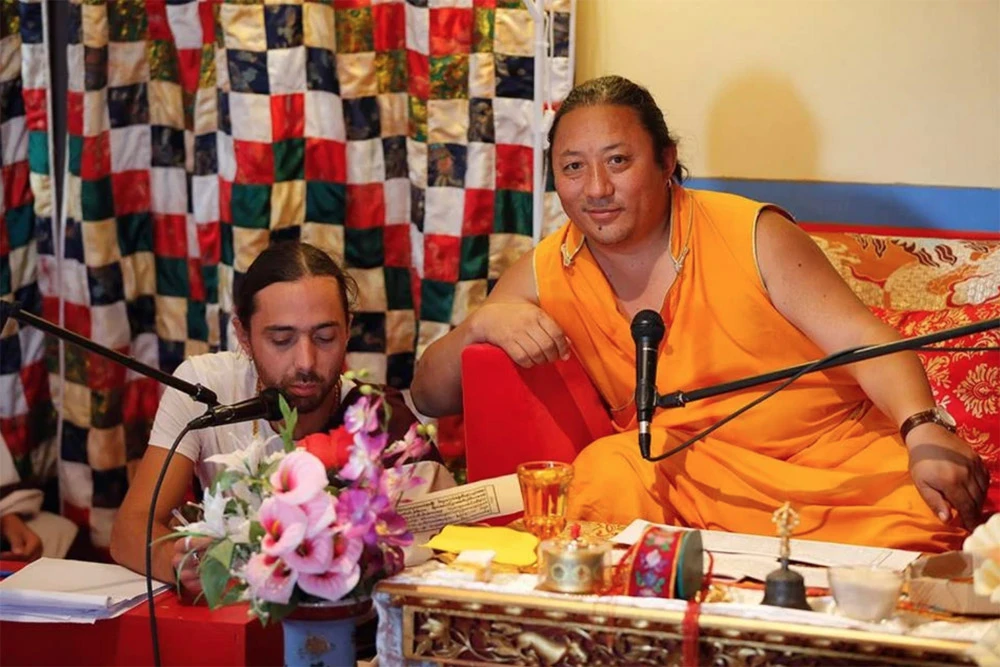
A teaching may explore a particular text, a theme, or a stage of the path, such as the preliminary practices.
Gatherings range from a weekend to a week or longer, usually with teaching sessions in the morning and afternoon, breaks, and time to share a meal. Some also include evening practice.
These are opportunities to hear the teachings directly, spend time with the teacher and sangha, and explore how the instructions relate to your own mind and life.
Depending on the venue, you might stay at a retreat centre or arrange accommodation nearby. Each event page explains the practical details.
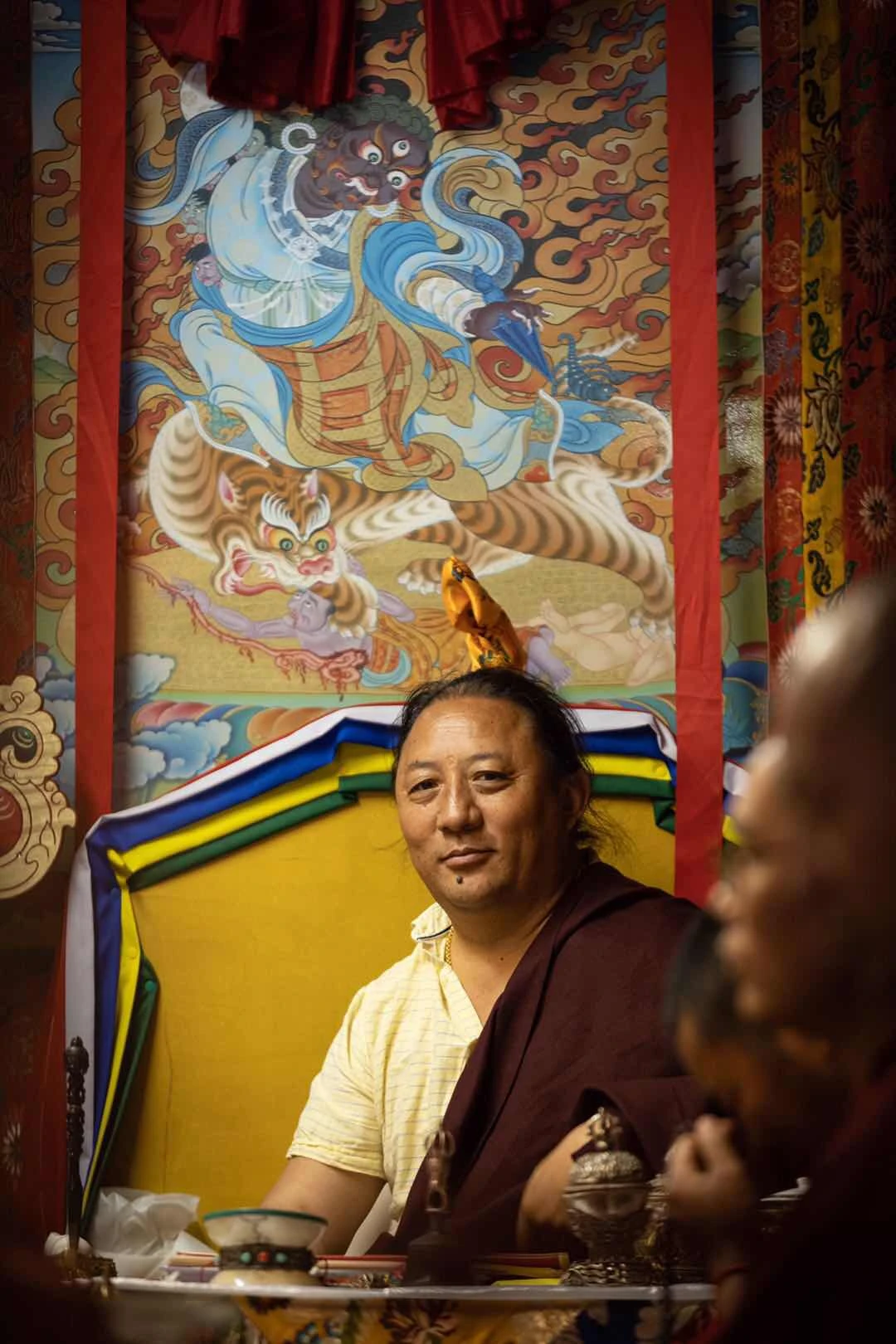
For a week or sometimes longer, we return to the same practice together—giving its words, imagery and meaning time to become familiar and deepen.
A drupchö centres on a particular sādhana: a practice text bringing together meditation, visualisation, mantra, chanting and offerings. Within our community, these retreats include practices such as Vajrasattva, Dorje Drolo, Tröma Nagmo, Vajrakilaya and Kurukulle.
Days generally begin early, before breakfast, and continue through a series of sessions until late afternoon or early evening. The retreat usually concludes with a tsok, a ritual offering feast, and a shared celebration.
SUSTAINED RETREAT
These retreats support sustained training under Rinpoche’s guidance. Participation involves prior teachings, preparation and discussion with him, rather than simply booking a place.
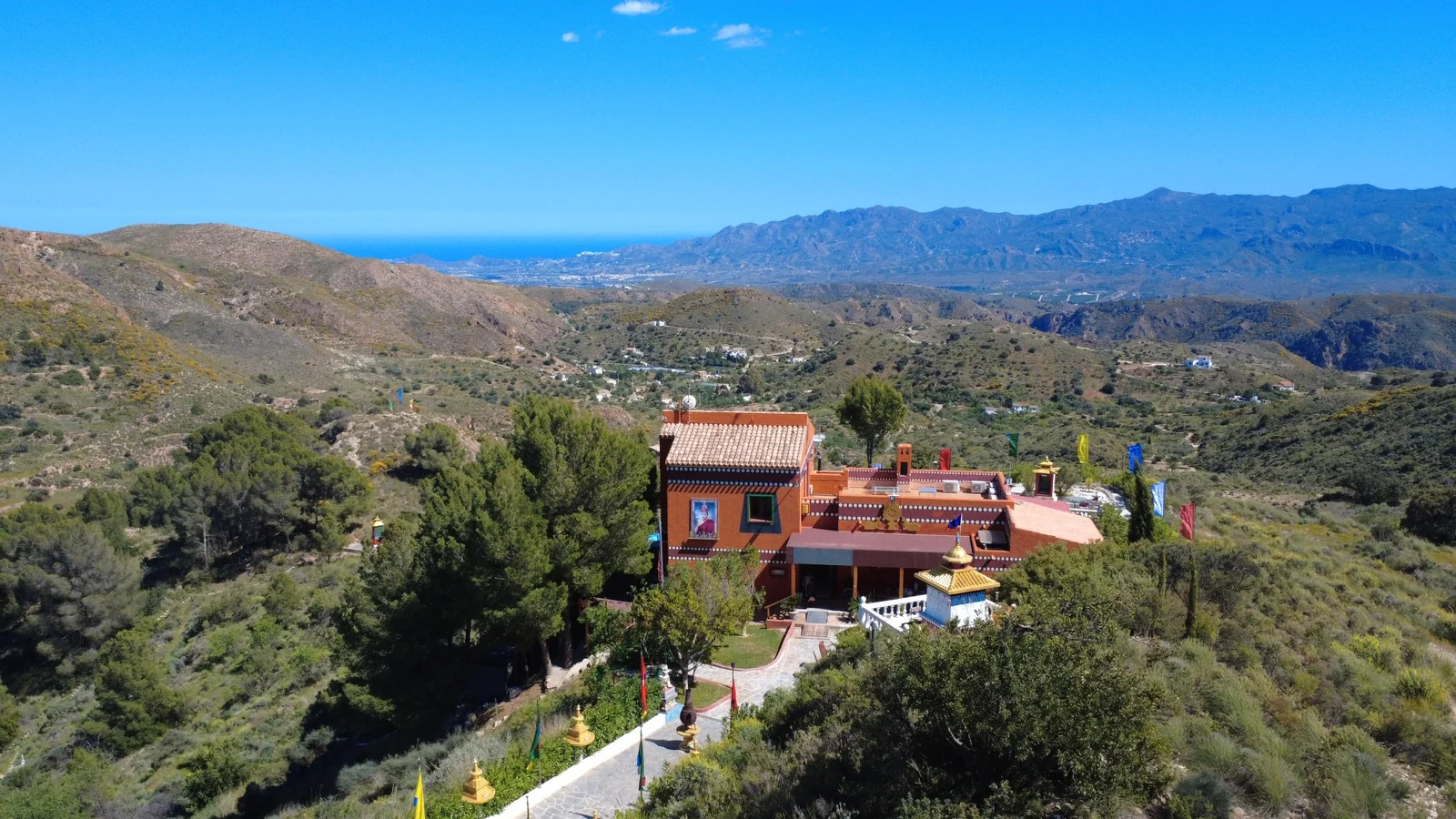
Some retreats, including cycles of Yeshe Lama teachings, take place within established groups studying and practising together over several years.
These gatherings are restricted, with participation guided by Rinpoche and the requirements of the particular cycle. New groups may begin when a new cycle of teachings opens.
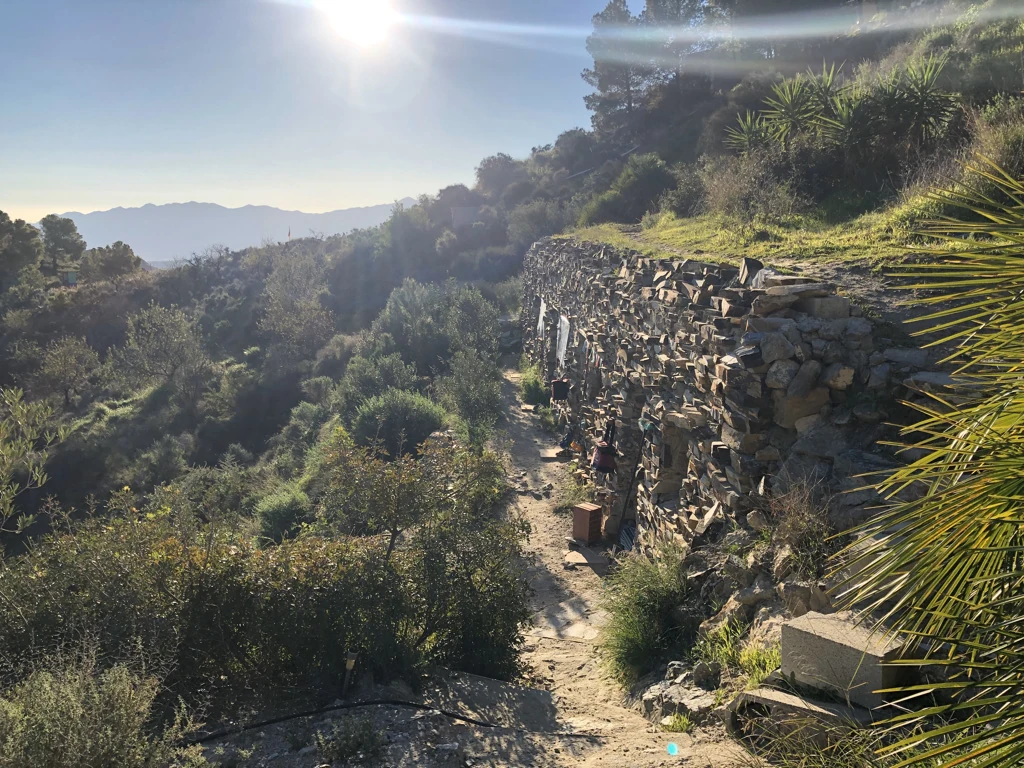
For practitioners wishing to spend an extended period in solitary practice, Namkha Dzong offers a mountain setting dedicated to retreat.
This develops through preparation and discussion with Rinpoche, drawing on the teachings already received and his instructions for the retreat.
FREQUENTLY ASKED QUESTIONS
You are welcome whether you are completely new to Buddhism and meditation or have practised in another tradition for years.
Unless an event is explicitly marked as restricted, you can attend without having taken refuge or previously received an empowerment. Any particular participation requirements will be explained on the event page.
You can begin by attending, becoming familiar with the teachings and discovering whether you feel a connection.
Rinpoche generally teaches in Tibetan, with English translation provided aloud. Depending on the event, additional translation may be available through headsets in French, Spanish, Italian or Lithuanian.
Check the event page for the languages offered, or contact the organisers if you are unsure.
Practice texts are available to borrow, and more experienced students can help you find your way through them.
Learning happens gradually, with guidance from Rinpoche and the sangha. You can come with curiosity and let your understanding develop through participating.
YOUR NEXT STEP
A teaching weekend, a group practice retreat, or a gathering at a local centre can be a first opportunity to explore.
If you would like help choosing, tell us a little about your interests and experience. We can help you find a suitable place to begin.